Elevate Your Brand with AI Filmmaking Techniques

In a world where visual content reigns supreme, brands are constantly seeking innovative ways to capture attention and engage their audience. Enter AI filmmaking techniques, a game-changing approach that not only enhances the quality of video production but also streamlines the creative process. This blog post will explore how you can elevate your brand using these cutting-edge techniques, providing practical insights and examples along the way.
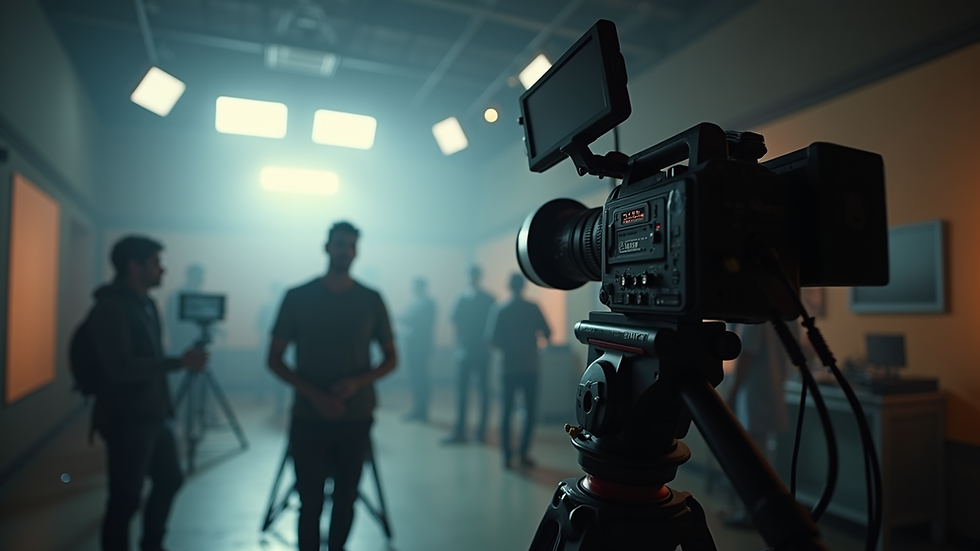
Understanding AI Filmmaking
AI filmmaking refers to the integration of artificial intelligence in various stages of video production. From pre-production planning to post-production editing, AI tools can significantly improve efficiency and creativity. Here are some key areas where AI is making an impact:
Scriptwriting and Storyboarding
AI can assist in generating scripts and storyboards by analyzing successful narratives and audience preferences. Tools like ScriptAI can analyze existing scripts to suggest improvements or generate new ideas based on popular themes. This not only saves time but also helps in crafting compelling stories that resonate with viewers.
Pre-visualization
Pre-visualization tools powered by AI allow filmmakers to create detailed animations and simulations of scenes before actual shooting begins. This helps in visualizing complex shots and planning camera angles effectively. For instance, CineSync enables teams to collaborate in real-time, ensuring everyone is on the same page before filming starts.
Filming Techniques
AI-driven cameras and drones can automate filming processes, capturing stunning shots with precision. These technologies can analyze scenes in real-time, adjusting settings like lighting and focus to ensure optimal results. For example, DJI's AI-powered drones can autonomously follow subjects, creating dynamic footage without the need for a dedicated camera operator.
Editing and Post-Production
AI tools can significantly speed up the editing process by automating tasks such as color correction, sound mixing, and even video summarization. Software like Adobe Premiere Pro now includes AI features that can analyze footage and suggest edits, making it easier for creators to produce high-quality videos in less time.
Benefits of AI Filmmaking for Brands
Incorporating AI filmmaking techniques into your brand strategy offers several advantages:
Enhanced Creativity
AI can provide fresh perspectives and ideas that may not have been considered otherwise. By analyzing trends and audience preferences, AI tools can suggest innovative concepts that align with your brand's vision.
Cost Efficiency
By streamlining the production process, AI can help reduce costs associated with hiring large teams or spending excessive time on editing. This allows brands to allocate resources more effectively and invest in other areas of their marketing strategy.
Improved Audience Engagement
AI can analyze viewer behavior and preferences, helping brands tailor their content to meet audience expectations. This leads to higher engagement rates and a stronger connection with viewers.
Faster Turnaround Times
With AI automating various aspects of production, brands can produce content more quickly. This is particularly beneficial in today’s fast-paced digital landscape, where timely content is crucial for maintaining relevance.
Practical Applications of AI Filmmaking
To illustrate the power of AI filmmaking, let’s explore some real-world examples of brands that have successfully integrated these techniques into their strategies.
Case Study: Nike
Nike has embraced AI filmmaking to create compelling advertisements that resonate with their audience. By using AI tools to analyze viewer data, they have been able to craft personalized content that speaks directly to their target demographic. Their recent campaign featuring AI-generated visuals showcased athletes in action, capturing the essence of their brand while appealing to sports enthusiasts.
Case Study: Coca-Cola
Coca-Cola utilized AI to enhance their storytelling in a recent campaign. By employing AI-driven analytics, they identified key themes that resonated with their audience. The result was a series of short films that highlighted moments of joy and connection, perfectly aligning with their brand message. The campaign not only increased engagement but also strengthened their emotional connection with consumers.
Case Study: BMW
BMW has leveraged AI in their promotional videos to showcase their vehicles in innovative ways. By using AI-powered drones, they captured breathtaking aerial shots that highlighted the design and performance of their cars. This approach not only elevated the visual quality of their content but also provided a unique perspective that set them apart from competitors.
Getting Started with AI Filmmaking
If you’re ready to elevate your brand using AI filmmaking techniques, here are some steps to get started:
Identify Your Goals
Before diving into AI filmmaking, it’s essential to define your objectives. Are you looking to increase brand awareness, engage your audience, or promote a specific product? Understanding your goals will help guide your strategy.
Explore AI Tools
Research and experiment with various AI tools available for filmmakers. Some popular options include:
Adobe Premiere Pro: Offers AI features for editing and enhancing videos.
CineSync: Facilitates real-time collaboration and pre-visualization.
ScriptAI: Assists in scriptwriting and story development.
Collaborate with Experts
Consider partnering with professionals who specialize in AI filmmaking. Their expertise can help you navigate the technology and maximize its potential for your brand.
Test and Iterate
Start with small projects to test the effectiveness of AI filmmaking techniques. Gather feedback and analyze results to refine your approach. Continuous improvement is key to achieving success.
Challenges of AI Filmmaking
While AI filmmaking offers numerous benefits, it’s essential to be aware of potential challenges:
Dependence on Technology
Relying heavily on AI tools may lead to a lack of creativity and originality. It’s crucial to strike a balance between utilizing technology and maintaining a human touch in storytelling.
Data Privacy Concerns
Using AI to analyze viewer data raises privacy concerns. Brands must ensure they comply with regulations and prioritize consumer trust when implementing AI strategies.
Learning Curve
Adopting AI filmmaking techniques may require a learning curve for teams unfamiliar with the technology. Investing in training and resources can help overcome this challenge.
The Future of AI Filmmaking
As technology continues to evolve, the future of AI filmmaking looks promising. We can expect advancements in areas such as virtual reality, augmented reality, and interactive storytelling. Brands that embrace these innovations will have the opportunity to create immersive experiences that captivate their audience.
Conclusion
AI filmmaking techniques are revolutionizing the way brands create and share content. By leveraging these tools, you can enhance creativity, improve efficiency, and engage your audience more effectively. As you explore the possibilities of AI in your filmmaking process, remember to maintain a balance between technology and storytelling. The future of your brand’s visual content is bright, and with AI, the possibilities are endless.
Take the first step today by exploring AI tools and integrating them into your content strategy. Your audience is waiting to be captivated by your next great story.


Comments